Paris Neighborhood Guide
Where to walk, eat, sleep, and shop in each of the central Paris arrondissements that matter for visitors. History, attractions, restaurants, transit, and one local tip per district.
Last verified
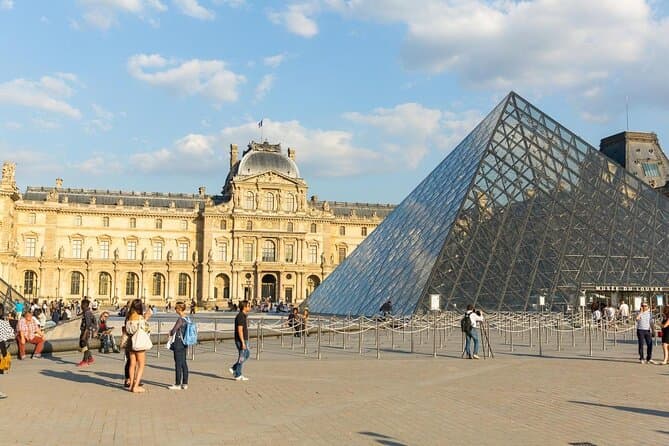
1st Arrondissement — Louvre & Tuileries
The historic heart of Paris, home to the Louvre and the Tuileries Garden.
Historical background. The 1st arrondissement is the historic center of Paris. It was the site of the original Merovingian palace in the 5th century, which later became the Louvre. The district played a central role in the French Revolution, with key events occurring at the Tuileries Palace.
Cultural significance. This area embodies the essence of Parisian elegance and culture. It's home to world-class museums, high-end shopping, and classic French cuisine. The Comédie-Française, France's national theater company, is located here, continuing a tradition of arts and literature that dates back centuries.
Top attractions
- Louvre Museum
- Tuileries Garden
- Palais Royal
- Sainte-Chapelle
Recommended restaurants
- Verjus
- Spring
- Ellsworth
- Le Fumoir
Shopping
- Rue de Rivoli
- Galerie Vivienne
- Galerie Véro-Dodat
Getting there
- Métro: Palais Royal — Musée du Louvre, Tuileries
- Bus: 21, 27, 68, 69, 72, 81, 95
Local tip: Visit the Louvre on Wednesday or Friday evenings (open until 21:45) for noticeably smaller crowds.
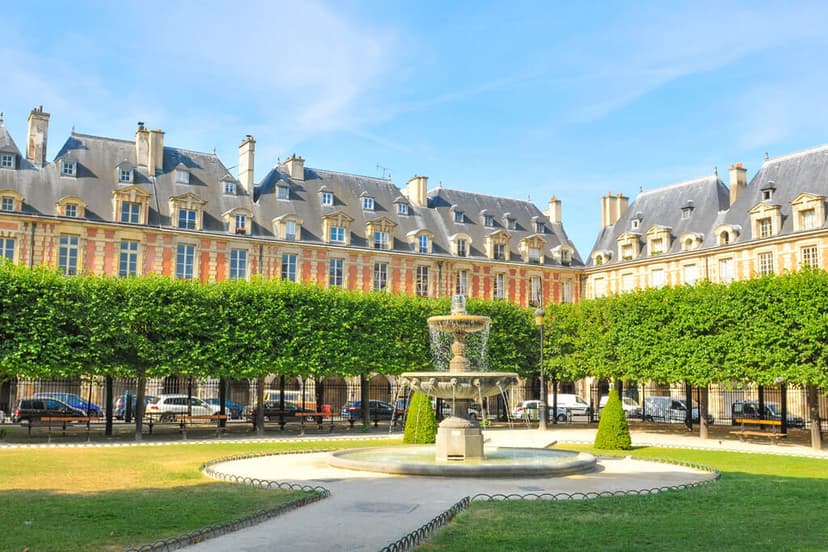
4th Arrondissement — The Marais
Medieval streets, hôtels particuliers, and the city's best small boutiques and falafel.
Historical background. The 4th arrondissement includes the southern half of the medieval Marais district. It was a fashionable aristocratic area in the 17th and 18th centuries, as evident in the many hôtels particuliers (grand townhouses). It later became working-class and home to a long-established Jewish community on Rue des Rosiers.
Cultural significance. Today, the Marais is known for its vibrant LGBTQ+ community, art galleries, and fashion boutiques. It's a unique blend of medieval architecture, Jewish heritage, and modern Parisian style. The area around Centre Pompidou is the city's contemporary-art core.
Top attractions
- Notre-Dame Cathedral (reopened December 2024)
- Centre Pompidou
- Place des Vosges
- Hôtel de Ville
Recommended restaurants
- L'As du Fallafel
- Chez Janou
- Breizh Café
- Le Petit Marché
Shopping
- BHV Marais
- Rue des Francs-Bourgeois
- Merci concept store
Getting there
- Métro: Hôtel de Ville, Saint-Paul, Rambuteau
- Bus: 29, 38, 47, 75
Local tip: Step through the porte cochère of any 17th-century hôtel particulier with the door open — most have hidden cobblestone courtyards open to the public.
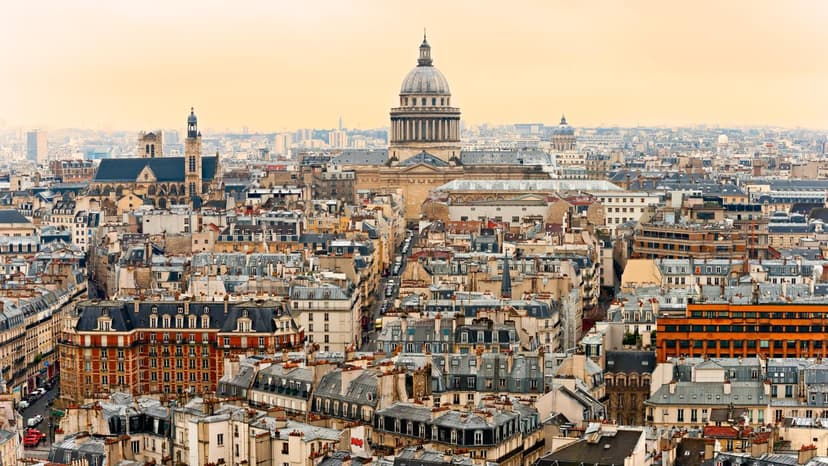
5th Arrondissement — Latin Quarter
The student quarter, with the Sorbonne, the Panthéon, and a thicket of independent bookshops.
Historical background. The 5th is one of the oldest areas of Paris, with roots dating back to Roman times. It's been a center of learning since the Middle Ages, with the Sorbonne university established here in the 13th century. The district played a key role in the May 1968 student protests.
Cultural significance. Known as the Latin Quarter due to the medieval university students who spoke Latin, this area remains a hub of intellectual and academic life. It's famous for its bookshops, cafes where great thinkers gathered, and a bohemian atmosphere. The district is also home to the Jardin des Plantes and the Natural History Museum.
Top attractions
- Panthéon
- Shakespeare and Company
- Jardin des Plantes
- Musée de Cluny
Recommended restaurants
- La Tour d'Argent
- Le Coupe-Chou
- Le Petit Pontoise
- Bonvivant
Shopping
- Rue Mouffetard market
- The Abbey Bookshop
- Gibert Joseph bookstore
Getting there
- Métro: Place Monge, Cardinal Lemoine, Jussieu
- RER: Luxembourg
Local tip: Visit the Roman ruins at the Arènes de Lutèce, a hidden gem tucked behind apartment buildings off Rue Monge.
6th Arrondissement — Saint-Germain-des-Prés
Literary cafés, the Luxembourg Gardens, and the most-photographed publishing district in Europe.
Historical background. The 6th grew up around the medieval abbey of Saint-Germain-des-Prés, one of the oldest churches in Paris. By the 20th century it had become the literary and philosophical heart of the Left Bank, where Sartre, de Beauvoir, Hemingway and others held court at Café de Flore and Les Deux Magots.
Cultural significance. This is classic literary Paris — bookshops, antique galleries, Luxembourg Gardens for an afternoon, and cafés where the prices reflect the history. Walking is the only way to see it; the streets are too dense and too quiet for the Metro to help much.
Top attractions
- Luxembourg Gardens
- Saint-Sulpice church
- Église Saint-Germain-des-Prés
- Musée Eugène Delacroix
Recommended restaurants
- Le Comptoir du Relais
- Café de Flore
- Les Deux Magots
- Brasserie Lipp
Shopping
- Rue de Buci
- Rue de Rennes
- La Hune (literary bookshop)
- Le Bon Marché (technically 7th, on the border)
Getting there
- Métro: Saint-Germain-des-Prés, Mabillon, Odéon
- RER: Luxembourg
Local tip: Sit at Café de Flore in the morning rather than the evening — same atmosphere, half the prices, and almost no other tourists.
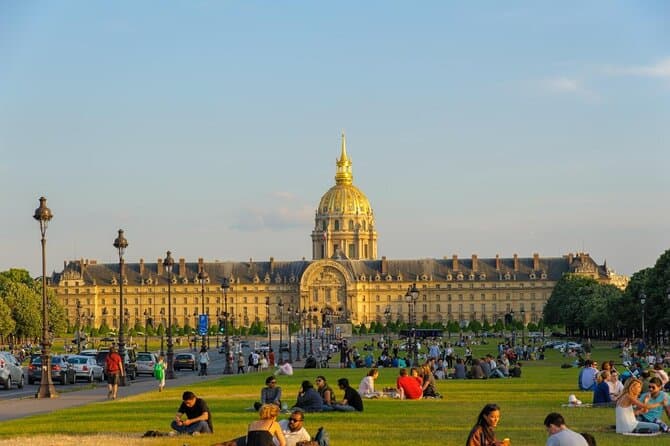
7th Arrondissement — Eiffel Tower & Invalides
Home to the Eiffel Tower, the Musée d'Orsay, and embassy-row Paris.
Historical background. The 7th arrondissement was largely rural until the 17th century. It gained prominence in the 18th and 19th centuries as the site of many government institutions. The Eiffel Tower, built for the 1889 World's Fair, dramatically changed the area's character and Paris's skyline.
Cultural significance. This district epitomizes classic Parisian elegance. It's home to numerous diplomatic embassies, ministries, and the National Assembly. The area around Rue Cler is known for its market street and quintessential Parisian atmosphere. The Musée d'Orsay, housed in a former railway station, showcases an unparalleled Impressionist collection.
Top attractions
- Eiffel Tower
- Musée d'Orsay
- Les Invalides
- Rodin Museum
Recommended restaurants
- L'Ami Jean
- Arpège
- David Toutain
- Le Petit Cler
Shopping
- Le Bon Marché
- Rue Cler market
- Beaupassage
Getting there
- Métro: Ecole Militaire, La Tour-Maubourg, Invalides
- RER: Pont de l'Alma
Local tip: Book Eiffel Tower tickets via the [official site](https://www.toureiffel.paris/en) at least three weeks ahead — third-party resellers add €8–€20 in markup.
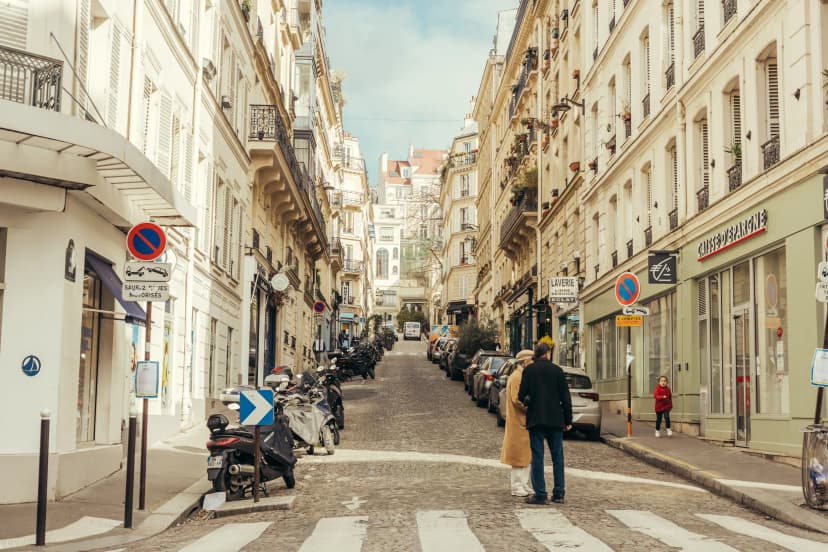
18th Arrondissement — Montmartre
The artists' hill, Sacré-Cœur, and the village atmosphere just minutes from Pigalle.
Historical background. Montmartre was an independent village until 1860 when it was annexed to Paris. In the late 19th and early 20th centuries, it became famous as an artistic haven, home to Picasso, Van Gogh, and Toulouse-Lautrec. The Sacré-Cœur basilica, built between 1876 and 1912, dominates the hilltop.
Cultural significance. Montmartre retains its village-like charm and artistic heritage, with painters still setting up their easels in Place du Tertre. The district is also known for its nightlife, including the famous Moulin Rouge cabaret. The lower parts of the 18th, particularly around Barbès, are vibrant multicultural areas with North African influences.
Top attractions
- Sacré-Cœur Basilica
- Place du Tertre
- Moulin Rouge
- Musée de Montmartre
- Wall of Love (Le Mur des Je t'aime)
Recommended restaurants
- La Maison Rose
- Le Consulat
- Hardware Société
- Bouillon Pigalle
Shopping
- Marché Saint-Pierre (fabric market)
- Rue des Abbesses
- À l'Étoile d'Or (chocolate)
Getting there
- Métro: Abbesses, Anvers, Pigalle
- Funicular of Montmartre
Local tip: Visit Sacré-Cœur at sunrise instead of sunset — the same view, no crowds, and the church interior is at its most peaceful before tour groups arrive at 10:00.
Related
- The Ultimate Weekend in Paris Itinerary — pick a base from this guide, then follow the 48-hour plan
- Paris Day Trips — Versailles, Giverny, Champagne and beyond
- Paris Travel Tips — etiquette, transit, dining